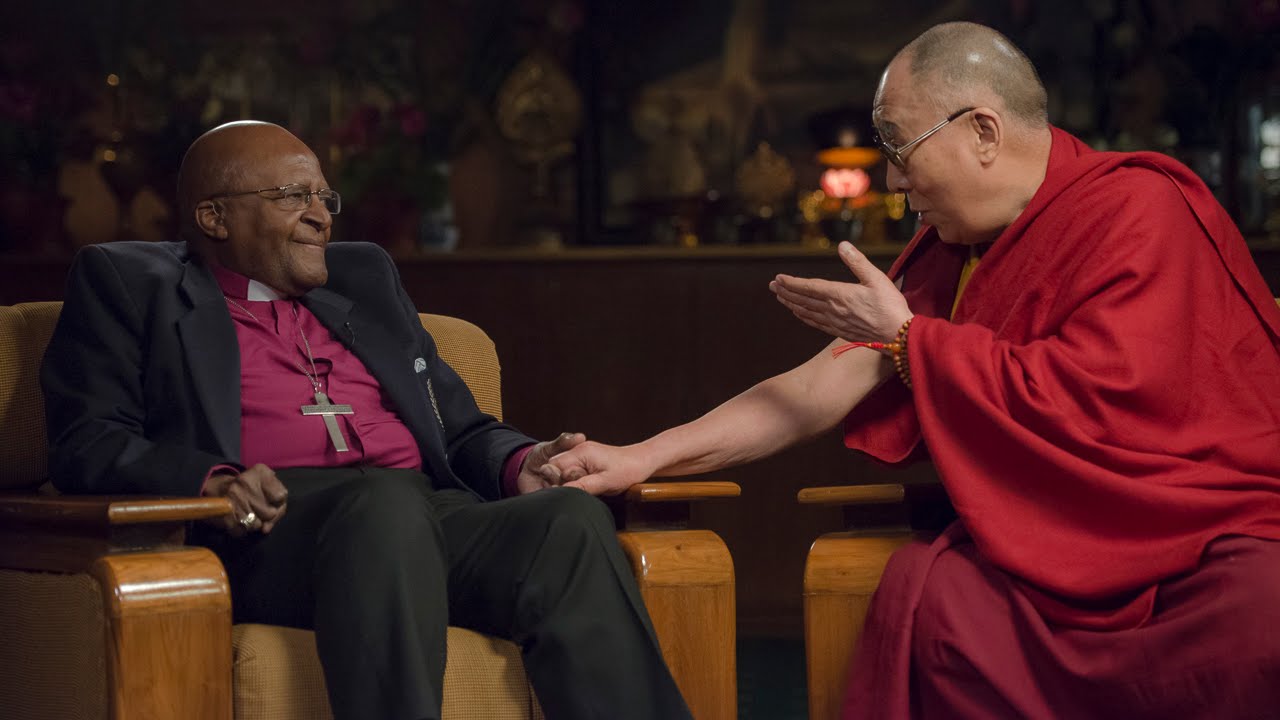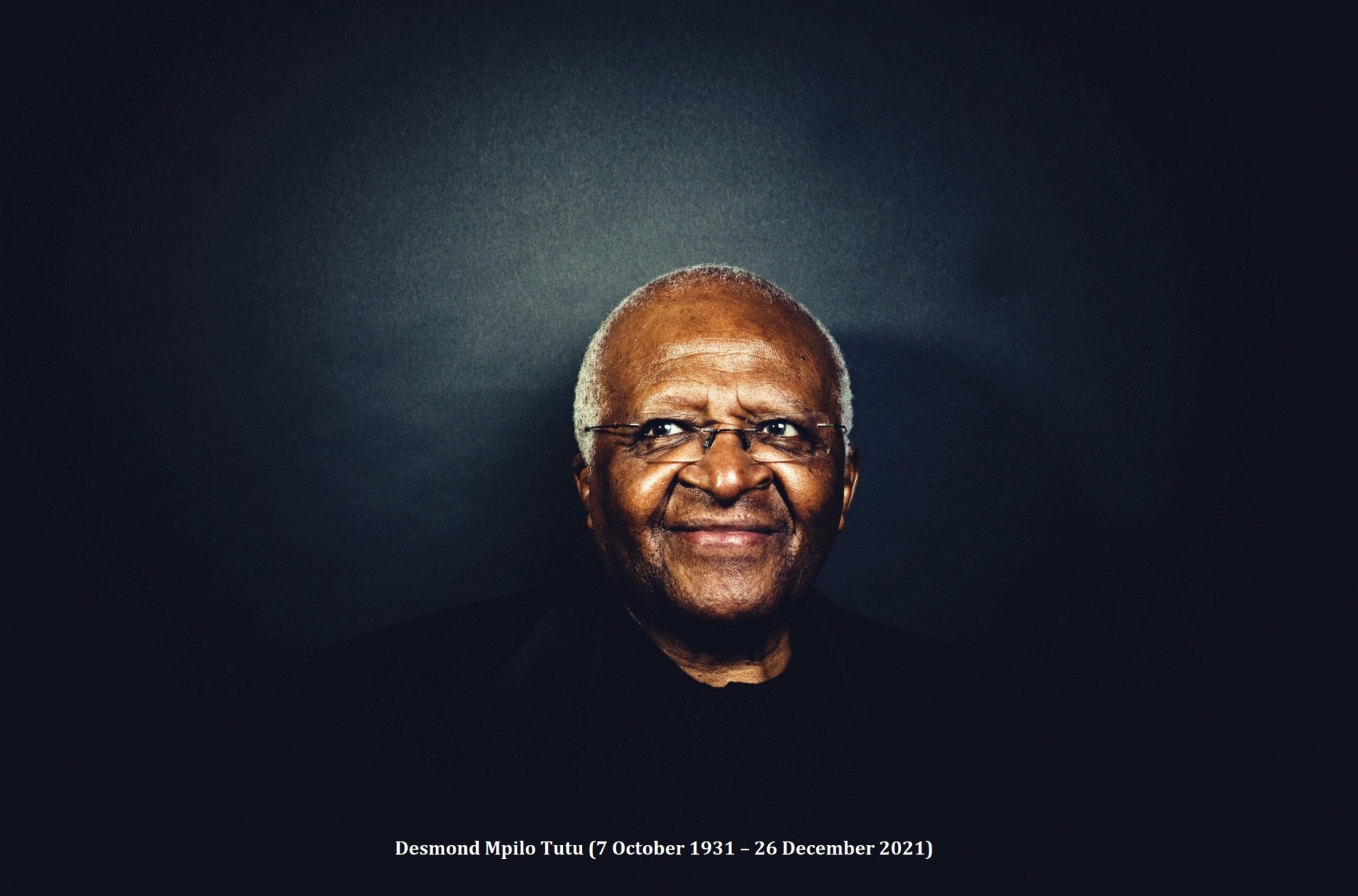
Desmond Tutu
1931 - 2021
Biography
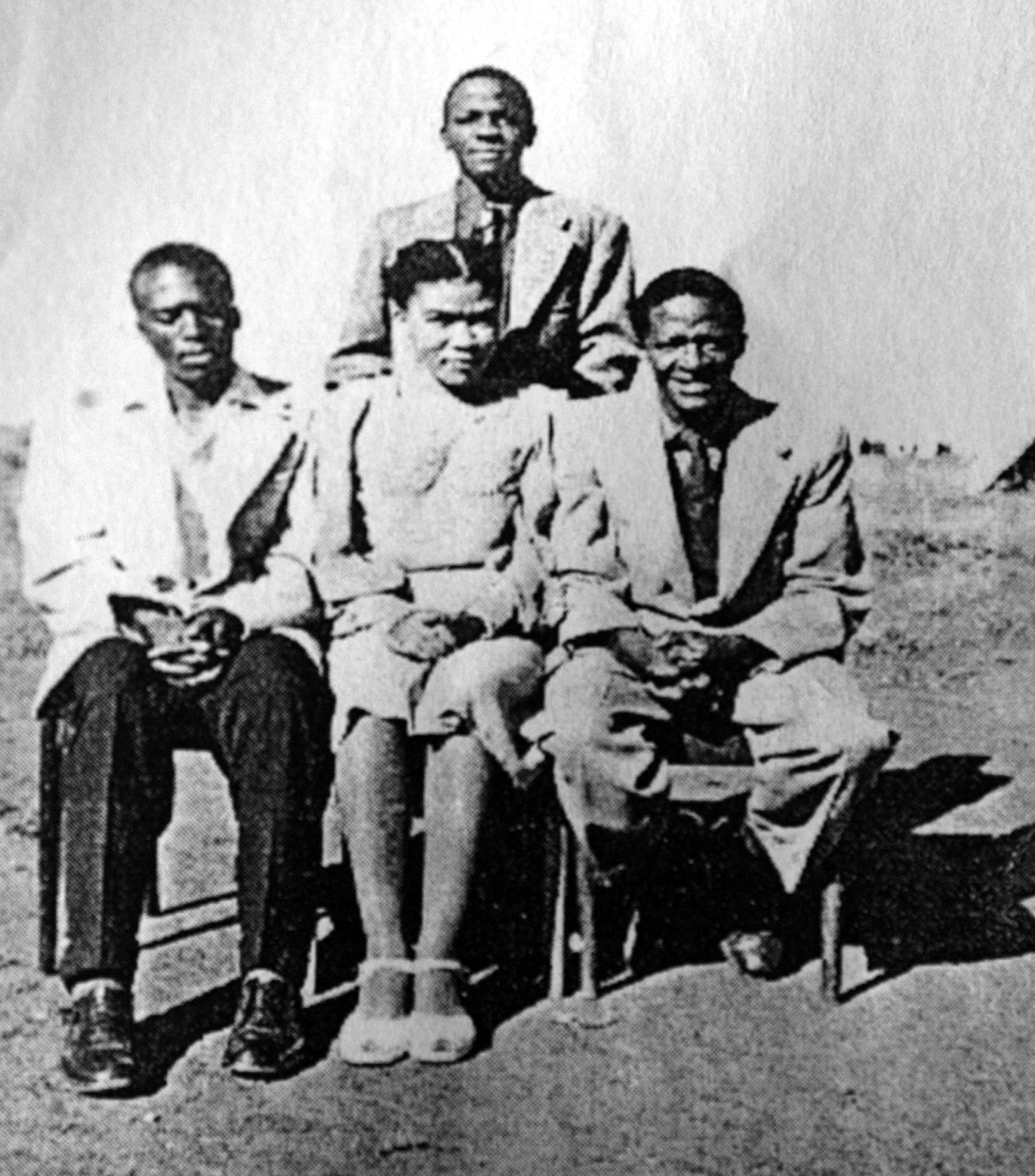
One of the most respected figures in South Africa's history, Desmond Mpiolo Tutu was born in Klerksdorp of the former Transvaal on October 7th, 1931. He grew up in poverty and had to help his mother offer laundry services to white South Africans as a child. As he entered adulthood, the young Tutu had aspirations to become a doctor. He was slated to study medicine at the University of the Witwatersrand in the early 1950s. However, his parents were unable to afford the tuition so he decided to follow in his father's footsteps and pursue a teaching career.
In 1953, Tutu earned his teaching diploma and began teaching English at Madibane High School. His teaching career was short-lived however, as he decided to abandon the profession three years after the enactment of the Bantu Education Act. His decision was an act of protest against a law that effectively enforced racial segregation within the education system. Tutu's refusal to continue working for an unjust system is seen as one of his earliest showings of activism. Upon leaving the teaching profession, Tutu decided to study theology and become a preist of the Anglican Church. In 1978, he was appointed General Secretary of the South African Council of Churches and began leading the clergy in opposition of apartheid. Two years later, he was the subject of controversy amongst the apartheid government after making the bold claim that there would be a black prime minister within the next five to ten years.

One of the most revered accomplishments of Tutu's illustrious career came in 1984 when he won the Nobel Peace Prize for his non-violent advocacy against apartheid. His leadership in the struggle against injustice and his likeable personality had made him an inspiring figure for South Africans of all backgrounds.
Two years after earning this most prestigious honour, Tutu became the first black man to be named Archibishop of Cape Town. Over the next decade, he would use his position of leadership to continue advocating for racial equality. He coined the term "Rainbow Nation" to describe his vision for a post-apartheid South Africa.
In 1995, Tutu was appointed to lead the Truth and Reconciliation Commission - a commission set up by the newly-elected African National Congress to help uncover the truth about the atrocities committed during the apartheid regime. A year after taking on this new position, Tutu retired as Archbishop in order to help his fellow South Africans reconcile with their past.
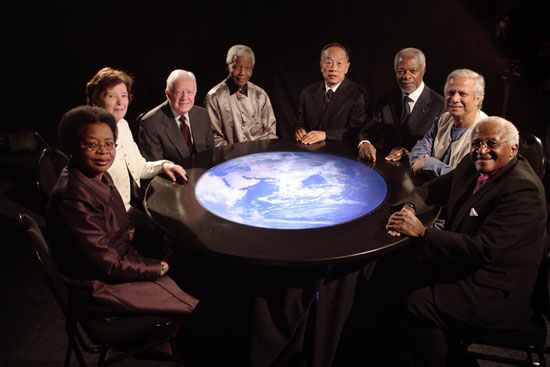
After the end of apartheid, Tutu remained outspoken on issues of injustice around the world. He advocated for gay rights and opposed the Iraq War and the Mugabe regime in Zimbabwe. In 2007, Tutu joined the Elders, a committee made up of prominent world leaders such as Nelson Mandela and former U.S. president Jimmy Carter. Their mission was to promote peace efforts around the world.
In 2013, the same year he lost his longtime friend Nelson Mandela, Tutu announced with a heavy heart that he would no longer vote for the African National Congress. He stated that though he commended the party for its role in dismantling apartheid, he codemned it for not doing enough to combat corruption, inequality and violence. In the same year, Tutu founded the Desmond and Leah Tutu Legacy Foundation in support of social justice and youth development.
Tutu passed away on December 26th, 2021. He is survived by Nomalizo Leah Tutu, his wife of 66 years, and four children: Mpho Andrea, Naomi Nontombi, Trevor Thamsanqa and Theresa Thandeka.